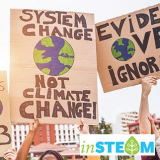
Este ILS ambiental inclusivo foi projetado implementando a abordagem de impacto científico. Esta atividade é sobre Alterações Climáticas e a polêmica em torno dela ser ou não uma realidade.
Subject Domains
- Astronomical Objects And Their Characteristics
- Astronomy Related Sciences And Fields Of Study
- Effect And Phenomena
- Humans In Space
- Terms And Concepts
- Anatomy
- Botany
- Ecology
- Humans And Animals
- Life Processes
- Variation, Inheritance And Evolution
- Analytical Chemistry
- Chemical Reactions
- Inorganic Chemistry
- Organic Chemistry
- Physical Chemistry
- Aerospace Engineering
- Civil Engineering
- Electrical Engineering
- Mechanical Engineering
- Production Engineering
- Transport Engineering
- Climate
- Energy
- Environment
- Environmental Protection
- Natural Resources
- Earth Science
- Geography
- Algebra And Number Theory
- Analysis
- Applied Mathematics
- Differential And Difference Equation
- Geometry
- Logic And Foundations
- Numbers And Computation
- Statistics And Probability
- Topic From Subjects
- Electricity And Magnetism
- Energy
- Fields
- Forces And Motion
- High Energy Physics
- History Of Science And Technology
- Light
- Radioactivity
- Solids, Liquids And Gases
- Sound
- Technological Applications
- Tools For Science
- Useful Materials And Products
- Waves
- Computer Science And Technology
- Construction - Architecture
- Design
- Electricity - Electronics
- Industry
- Internet
- Mechanics
- Production
Astronomy
Biology
Chemistry
Engineering
Environmental Education
Geography And Earth Science
Mathematics
Physics
Technology
Big Ideas Of Science
- Energy Transformation
- Fundamental Forces
- Our Universe
- Structure Of Matter
- Microcosm (Quantum)
- Evolution And Biodiversity
- Organisms And Life Forms
- Planet Earth
Age Ranges
- Before 7
- 7-8
- 9-10
- 11-12
- 13-14
- 15-16
- Above 16
Languages
- Arabic
- Basque
- Bulgarian
- Catalan
- Croatian
- Czech
- Danish
- Dutch
- English
- Estonian
- Finnish
- French
- Galician
- Georgian
- German
- Greek
- Hungarian
- Indonesian
- Irish
- Italian
- Latvian
- Lithuanian
- Macedonian Slavic
- Polish
- Portuguese
- Romanian
- Russian
- Serbian
- Simplified Chinese
- Slovak
- Spanish
- Swedish
- Traditional Chinese
- Turkish
- Ukrainian
Apply
Reset
Inquiry Learning Spaces (ILSs) are personalized learning resources for students, including a lab, apps, and any other type of multimedia material. ILSs follow an inquiry cycle. Inquiry cycles can differ but the basic Go-Lab cycle consists of the phases Orientation, Conceptualisation, Investigation, Conclusion, and Discussion. The aim of an ILS is to provide students with an opportunity to conduct scientific experiments, being guided through the inquiry process and supported at each step.
This page presents ILSs created by teachers or the Go-Lab and/or Next-Lab team (and often in co-creation), on a large set of domains and in many languages. Please note that the Go-Lab Authoring Platform Graasp is no longer maintained. This means that it is not possible to create and publish new Go-Lab ILSs, preview or copy ILSs listed on this page. It is only possible to view the descriptions of ILSs, which were created and published during the lifetime of the Go-Lab projects. This page can be used for your information only. If you are interested in creating and using Inquiry Learning Spaces in your classroom, please visit the new Authoring Platform Graasp.org
If you are looking for Inquiry Learning Spaces created especially for the curricula of Benin, Kenya or Nigeria, please visit our Collections page.
Geography And Earth S...
Sort by
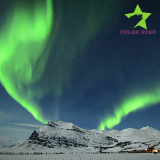
Zorza polarna to emisja światła spowodowana zderzeniami wysokoenergetycznych, naładowanych cząstek pochodzących z plazmy emitowanej przez słońce (wiatr słoneczny) z gazami w części ziemskiej atmosfery zwanej termosferą.
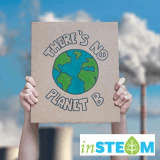
Jarduera hau ingurumenari buruzko ikasgai inklusibo kultural baterako diseinatu da. Jarduerak ikasle bakoitzaren barruan dagoen artista atera nahi du eta, horretarako, klima aldaketaren inguruan kontzientziatzeko bere artelana sortzera gonbidatzen du.
Η δραστηριότητα αυτή σχεδιάστικε με βάση ένα μοντέλο πολιτιστικής διδασκαλίας και έχει ως στόχο να εμπνεύσει τα παιδιά να εκφραστούν καλλιτεχνικά πάνω στο θέμα της κλιματικής αλλαγής. Η δραστηριότητα ολοκληρώνετε με μια έκθεση των έργων των μαθητών.
Εκπαιδευτικοί στόχοι:
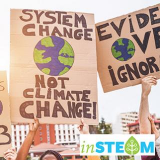
Η δραστηριότητα αυτή ακολουθεί το μοντέλο ανακαλυπτικής μάθησης και αφορά την κλιματική αλλαγή και τη διαφωνία σχετικά με το αν υπάρχει πραγματικά ή όχι.
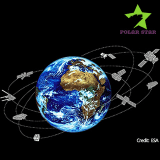
Jak wykorzystujemy kosmos, aby spojrzeć na Ziemię? Co pomiary klimatu i pogody mówią nam o naszej Ziemi i środowisku? W tym ćwiczeniu uczniowie badają wzorce promieniowania słonecznego na Z
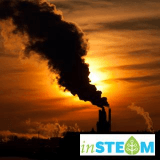
Το παρόν μάθημα ακολουθεί την προσέγγιση του 'Ανοικτού Σχολείου'. Σε αυτό το μάθημα οι μαθητές καλούνται να γίνουν υπέρμαχοι της Κλιματικής Αλλαγής και να βοηθήσουν την τοπική τους κοινωνία να μειώσουν τις εκπομπές διοξειδίου του άνθρακα και να βελτιώσουν το οικολογικό τους αποτύπωμα.

Το παρόν μάθημα ακολουθεί το μοντέλο ανακαλυπτικής μάθησης. Σε αυτό το μάθημα οι μαθητές μαθαίνουν για το φαινόμενο του θερμοκηπίου και πως τα διάφορα μόρια αλληλεπιδρούν με την ηλεκτρομαγνητική ακτινοβολία.

La tendencia al calentamiento en el Ártico es dos veces mayor que la media mundial en las últimas décadas. La pérdida de hielo marino amplifica la tendencia al calentamiento porque la superficie del océano absorbe más calor del sol que la superficie de nieve y hielo.
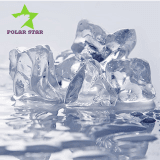
Trend ocieplenia w Arktyce jest dwukrotnie wyższy niż średnia światowa w ostatnich dziesięcioleciach. Utrata lodu morskiego wzmacnia trend ocieplenia, ponieważ powierzchnia oceanu pochłania więcej ciepła słonecznego